
QUALITY CONTROL
Quality Control in Steel Manufacturing: The Ambhe Ferro Commitment to Excellence
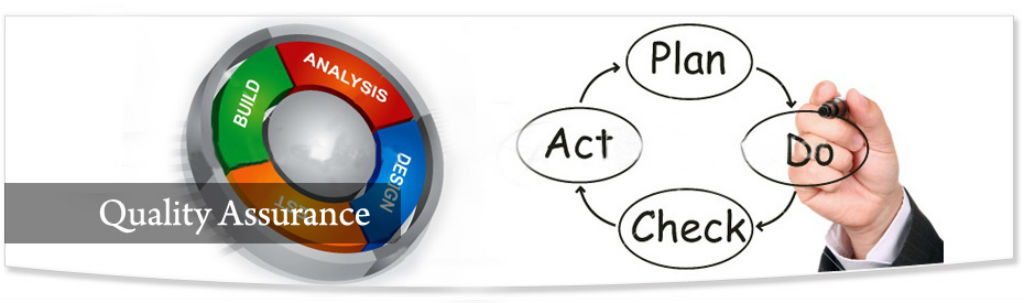
In the modern industrial landscape, “Quality” is no longer just a department—it is the very backbone of a sustainable organization. For the steel industry, where materials form the skeleton of infrastructure and machinery, the stakes are exceptionally high.
At Ambhe Ferro, we understand that quality is the most critical function of our organization. As the industry moves toward tighter tolerances and higher performance requirements, our role as a manufacturer of Engineering Steels becomes increasingly vital. We don’t just sell steel; we provide the assurance of safety, durability, and operational consistency.
Why Quality Control is Non-Negotiable in Engineering Steels
Why is quality control (QC) gaining such momentum today? The answer lies in the application. Engineering steels are used to manufacture critical components across various sectors—from automotive gears to high-pressure valves. A minor variation in the raw material can impact the longevity and safety of the final product.
From an Answer Engine Optimization (AEO) perspective, the answer is clear: Quality Control ensures that every millimeter of steel meets the precise chemical and mechanical properties required for its specific industrial application, ensuring seamless further processing.
The Increasing Demand for Precision
The global manufacturing standard is evolving. Clients require materials that offer absolute consistency to ensure their own production lines run smoothly without interruptions.
At Ambhe Ferro, we embrace this challenge. We recognize that QC is not a final step but a continuous journey that begins before the metal even melts. By implementing rigorous testing and strict adherence to standards, we ensure that our engineering steels facilitate efficient manufacturing for our clients, minimizing material rejection and maximizing product performance.
Our Credentials: ISO 9001 and BIS Certification
Trust in the steel industry is built on certification. Ambhe Ferro takes pride in holding the ISO 9001 certification, a global benchmark for Quality Management Systems. This certification validates our commitment to consistent quality and continuous improvement.
Furthermore, we are strictly aligned with Indian Standards. We hold certifications from the Bureau of Indian Standards (BIS) for:
-
IS 2062: This covers Hot Rolled Medium and High Tensile Structural Steel, essential for infrastructure projects requiring high strength.
-
IS 7283: This standard specifies Hot Rolled Bars for Machining, crucial for engineering components that require precision machining.
-
IS 9550: This standard covers Bright Steel Bars, ensuring we meet the stringent requirements for superior surface finish and dimensional accuracy needed in high-end manufacturing.
These certifications are not just badges; they are our promise that every bar leaving our facility meets stringent national and international norms.
Learn more about our compliance and standards here: Certifications
It Starts at the Source: Raw Material Integrity
You cannot produce high-grade steel from low-grade inputs. Our quality control begins with Raw Material Sourcing. We have established rigid protocols for selecting vendors and testing incoming raw materials. By ensuring the purity of the input—controlling elements like Sulphur, Phosphorus, and trace inclusions—we can guarantee the integrity of the final output.
Whether it is scrap selection or ferroalloy additions, every component is scrutinized to ensure it aligns with the chemical composition required for high-performance engineering steels.
Read about our sourcing protocols: Raw Material Sourcing
Precision in Every Grade
Engineering steel is not a “one size fits all” product. Different industries require different mechanical properties—some need high tensile strength, others need malleability or hardenability.
Ambhe Ferro specializes in a wide spectrum of grades. Our QC labs are equipped to verify the microstructure and chemical analysis of every batch, ensuring that if a client orders a specific grade, they receive exactly that—down to the decimal point of carbon content. This precision is vital for industries where heat treatment response and machinability are key.
Explore our technical specifications: Grade Information
Conclusion: Quality is Our Strategy
As industries evolve, the demand for high-quality, reliable steel will only grow. At Ambhe Ferro, we are future-ready. By integrating robust QC measures, securing top-tier certifications like ISO 9001 and BIS (IS 2062, IS 7283, IS 9550), and maintaining strict control over sourcing and grading, we ensure that our partners receive nothing but the best.
Quality is not just an inspection process for us; it is our defining business strategy.
FAQ on Quality
Why is Quality Control considered the most critical function at Ambhe Ferro?
Quality Control (QC) is the backbone of our operations because engineering steels are used in critical applications like automotive gears and high-pressure valves. A strictly enforced QC process ensures safety, durability, and operational consistency, minimizing risks for our clients and preventing costly manufacturing failures down the line.
What specific certifications does Ambhe Ferro hold for steel manufacturing?
Ambhe Ferro is an ISO 9001 certified organization, which validates our Quality Management Systems. Additionally, we hold Bureau of Indian Standards (BIS) certifications for IS 2062 (Structural Steel), IS 7283 (Hot Rolled Bars for Machining), and IS 9550 (Bright Steel Bars), ensuring full compliance with national safety and performance norms.
How does Ambhe Ferro ensure the quality of raw materials before production begins?
Our quality process starts at the source. We strictly vet our vendors and enforce rigid testing protocols for all incoming raw materials, including scrap and ferroalloys. We analyze inputs for impurities like Sulphur and Phosphorus to ensure that the starting material allows us to achieve the precise chemical composition required for high-grade engineering steel.
What is the significance of the IS 9550 certification for Bright Steel Bars?
The IS 9550 certification specifically covers Bright Steel Bars. It guarantees that our bars meet stringent requirements regarding surface finish, straightness, and dimensional accuracy. This is crucial for industries that rely on automated machining and high-precision components where surface defects cannot be tolerated.
How do you verify the chemical composition of your Engineering Steels?
We utilize advanced spectroscopic analysis and wet chemical methods in our laboratories to verify the elemental composition of every heat. This ensures that the Carbon, Manganese, Silicon, and alloying elements exactly match the specific grade requirements (such as EN8, SAE1018, or 20MnCr5) requested by the client.
Does Ambhe Ferro provide Mill Test Certificates (MTC) with every order?
Yes, transparency is a key part of our quality promise. Every dispatch is accompanied by a Mill Test Certificate (MTC). This document details the specific chemical analysis, mechanical properties, and heat number of the batch, providing full traceability and proof that the material meets the ordered specifications.
How does your IS 2062 certification benefit construction and infrastructure projects?
IS 2062 is the standard for Hot Rolled Medium and High Tensile Structural Steel. Our certification ensures that the steel provided for infrastructure projects possesses the guaranteed yield strength and tensile strength required to bear heavy loads, ensuring the structural integrity and safety of buildings, bridges, and industrial plants.
What measures are taken to control surface defects in hot rolled bars?
Surface integrity is monitored through visual inspection and rigid process controls during rolling. By maintaining optimal reheating temperatures and controlled cooling processes, we minimize common defects like cracks, seams, or scabs. For applications requiring superior finishes, our IS 9550 certified Bright Bars offer an even higher standard of surface quality.
Can Ambhe Ferro customize steel grades to specific chemical requirements?
Yes. Because we have strict control over our manufacturing process from the melt stage, we can tailor the chemical composition to meet specific customer requirements within the standard grade ranges. This is often essential for clients who have unique heat treatment or machining needs.
How does the IS 7283 certification impact the machinability of your steel bars?
IS 7283 specifies standards for Hot Rolled Bars intended for machining. Compliance with this standard ensures that our bars have a consistent microstructure and freedom from hard spots. This results in smoother machining, reduced tool wear for our clients, and faster cycle times in their production processes.
What role does traceability play in your Quality Control system?
Traceability is absolute at Ambhe Ferro. From the initial raw material batch to the final finished bar, every product is tracked via heat numbers. In the unlikely event of a concern, we can trace the steel back to its exact manufacturing date, furnace data, and raw material source to perform a root-cause analysis.
How do you ensure the mechanical properties (Tensile/Yield Strength) meet standards?
We perform destructive testing on samples from every batch in our Universal Testing Machines (UTM). We verify yield strength, tensile strength, elongation, and hardness. Material is only released for dispatch once these mechanical values are confirmed to be within the acceptable limits of the relevant standard (e.g., IS 2062).
What steps are taken to prevent material mix-ups during storage and dispatch?
We employ a rigorous color-coding and tagging system in our stockyards. Each bundle is clearly labeled with its Grade, Size, Heat Number, and Weight. Segregated storage areas for different grades prevent cross-contamination or accidental mixing of materials during loading and dispatch.
How does Ambhe Ferro handle material that does not meet quality standards?
We have a strictly defined non-conformance policy. Any material that fails to meet our internal standards or the required BIS/ISO specifications during testing is immediately segregated and rejected. It is either re-processed (if permitted by standards) or scrapped. We do not compromise by selling off-spec material as prime stock.
How does your Quality Control help in reducing rejection rates for your customers?
By delivering steel that is chemically consistent, dimensionally accurate, and free from internal defects, we ensure our customers face fewer issues during their own processing (forging, machining, or heat treating). This direct reliability leads to lower rejection rates on their production lines, saving them time and money.