42CrMo4 STEEL

42CrMo4 STEEL GRADE

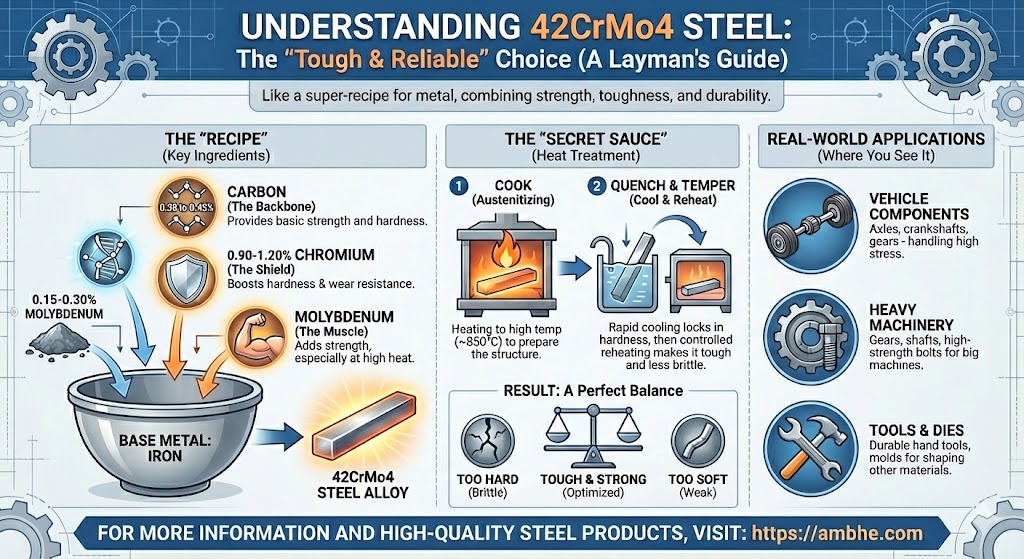
Ambhe Ferro 42CrMo4 Steel Infographic

42CrMo4 is an engineering alloy steel containing chromium and molybdenum. It has high fatigue strength, abrasion and impact resistance, toughness, and torsional strength. It can be heat treated in a number of ways to give it a superior combination of properties. It is equivalent to SAE 4140 and En19 steel grades with minor differences in chemical ranges.

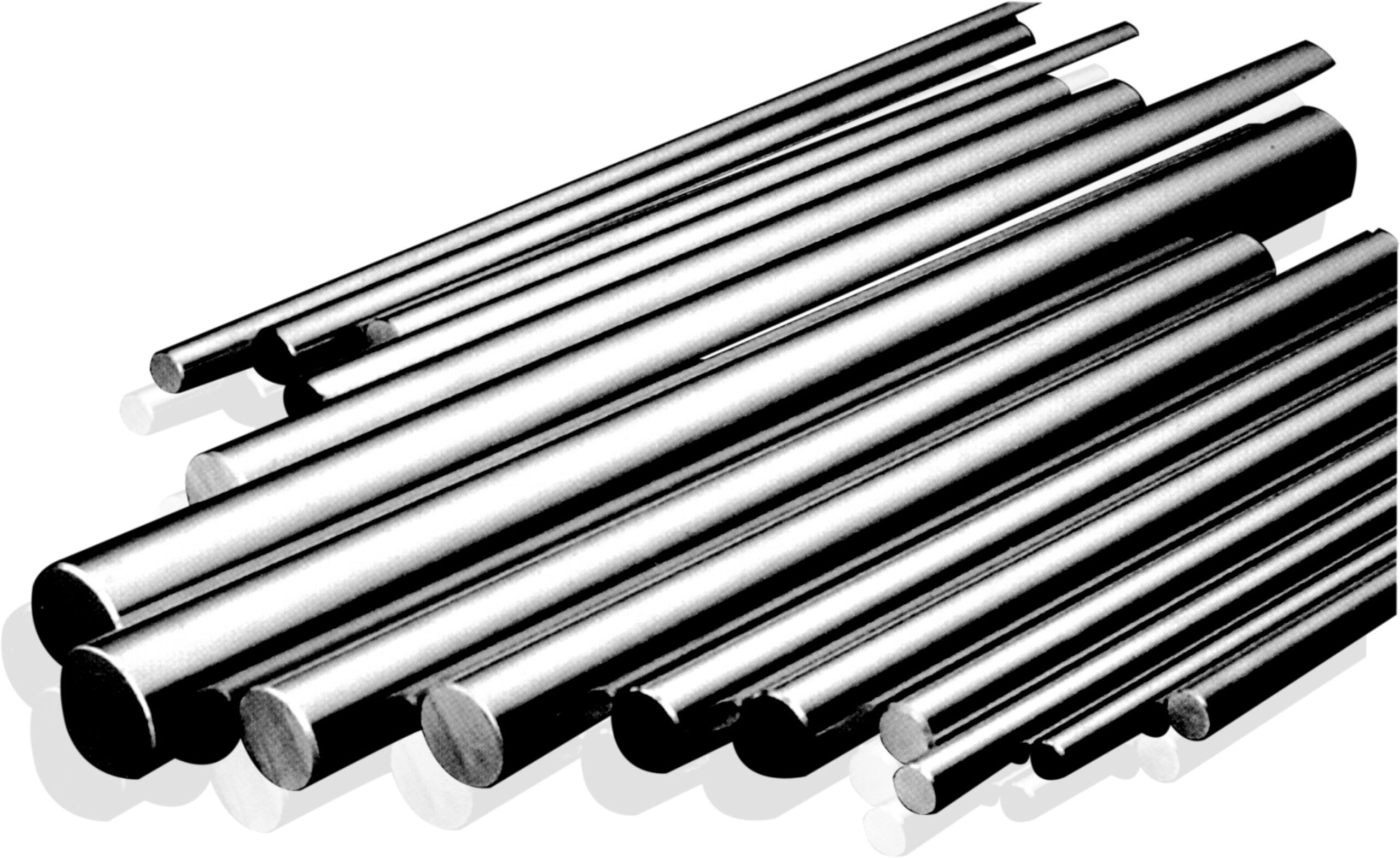
We can provide you 42CrMo4 in the following forms

About our Company

Your Strategic Partner for Engineering Steel in Western India.

Ambhe Ferro Metal Processors Pvt. Ltd. stands as a trusted name in the steel processing industry. We combine technical expertise with an unbeatable location advantage.

  • Strategic Logistics: Located near the JNPT Port, we offer efficient export solutions and just-in-time delivery to the Maharashtra industrial belt (Mumbai-Pune-Nashik-Aurangabad).

  • Customized Manufacturing: From commercial grades to specialized alloy steels, we manufacture round bars that fit your exact chemical and mechanical requirements.

  • Uncompromised Quality: By sourcing top-tier raw materials and adhering to strict quality control protocols, we deliver steel that drives performance and reliability for our clients.

Supply Specifications & Ordering Information for 42CrMo4 steel​

To order, the following information will be required by us

Grade42CrMo4
OrderMinimum order 5MT per size
Length

a)     5.5 To 6 Meters

b)     Custom Cut Length or multiple

Round Diameter23.5 mm to 80 mm (in straight lengths)
Condition

a)     Hot Rolled

b)     Bright Bar

c)     Cold Drawn & Polished

d)     Hardened & Tempered

e)     QT – Peeled – Ground

To request a quote kindly fill up this form.

We are supplier of  42CrMo4 bars to a number of companies in Mumbai, Pune (eg Chakan, Bhosari, Ranjangaon, etc), Aurangabad, Nashik, Ahmednagar, Rajkot, Thane, Nagpur, Belgaum, Kolhapur, Sangli, Chennai, Bangalore, etc. All our 42CrMo4 supplied is Ultrasound and MPI inspected.

Ordering Contact Information for 42CrMo4 steel bars

Want to Order?

Get competitive pricing and immediate delivery for 42CrMo4 Steel. Contact our Mumbai sales office today.

📞 Call Us (9 AM - 7 PM): +91 98200 63281 +91 8850256016
✉️ Email Sales Team: sales@ambhe.com

(Response within 24 Hours)

🌍 International Equivalents to 42CrMo4 Steel

🚀 Quick Answer: What is the equivalent of 42CrMo4?
The most common international equivalents for 42CrMo4 (DIN 1.7225) are:
  • 🇺🇸 USA: AISI 4140 / SAE 4140
  • 🇬🇧 UK: En19 / 709M40
  • 🇯🇵 Japan: JIS SCM440
These grades are chemically similar and are often used interchangeably for shafts, gears, and fasteners.

📋 Comprehensive Cross-Reference Table

Region / Country Standard Grade / Designation
🇪🇺 Europe (EU) EN 10083-3 1.7225 / 42CrMo4
🇩🇪 Germany DIN 17200 1.7225 / 42CrMo4
🇺🇸 USA AISI / SAE / ASTM 4140 / 4142
🇬🇧 United Kingdom BS 970 En19 / 708M40 / 709M40
🇯🇵 Japan JIS G4053 SCM 440
🇫🇷 France AFNOR 42 CD 4 / 42 CD 4 u
🇮🇹 Italy UNI 42 CrMo 4
🇨🇳 China GB/T 3077 42CrMo
🇸🇪 Sweden SS 2244
🌐 International ISO 683-1 42CrMo4
⚠️
Important Technical Note: "Equivalent" ≠ "Identical"
While AISI 4140 and 42CrMo4 are often sold as "Dual Certified," they have slight variations.
  • Manganese: AISI 4140 allows 0.75-1.00%, while 42CrMo4 allows 0.60-0.90%.
  • Sulphur/Phosphorus: European standards (EN) often require tighter controls on S and P (max 0.035%) compared to standard commercial quality 4140.
Always check the Mill Test Certificate (MTC) for critical aerospace or subsea applications.

📚 Frequently Asked Questions: 42CrMo4 Steel Guide

1. General & Identification
What is 42CrMo4 steel?
Answer: 42CrMo4 is a versatile heat-treatable low alloy steel containing Chromium, Molybdenum, and Manganese.
It is defined by the European standard DIN EN 10083-3. It is known for its high toughness, good torsional strength, and excellent fatigue resistance, making it the standard choice for automotive parts like crankshafts and gears.
What does the name "42CrMo4" mean?
The name follows the EN naming convention:
  • 42: Indicates an average Carbon content of 0.42%.
  • Cr: Indicates Chromium is the primary alloying element.
  • Mo: Indicates Molybdenum is present.
  • 4: Indicates the Chromium content is approx. 4 / 4 = 1%.
It describes the specific chemical recipe of the steel.
Is 42CrMo4 the same as AISI 4140?
Answer: They are functionally equivalent but not identical.
AISI 4140 is the American standard, while 42CrMo4 is the European standard. The chemistry overlaps significantly, and many mills produce "Dual Certified" material that meets both specs. However, 4140 allows for slightly higher Manganese content than standard 42CrMo4.
What is the Werkstoff Number for 42CrMo4?
The German Werkstoff Number (Material Number) for 42CrMo4 is 1.7225. If you see "1.7225" on a drawing, it refers to this exact grade.
2. Mechanical & Physical Properties
What is the density of 42CrMo4?
The density of 42CrMo4 is approximately 7.85 g/cm³ or 7850 kg/m³. This is standard for most low-alloy steels.
What is the hardness of 42CrMo4 in Q+T condition?
In the standard Quenched and Tempered (+QT) condition, the hardness typically ranges from 28 to 32 HRC (approx. 280 – 320 HB). This range offers the best balance between strength and toughness for machining.
What is the maximum hardness achievable?
Through water quenching, the "as-quenched" hardness can reach 55-59 HRC. However, the steel is very brittle in this state. Using Surface Induction Hardening, you can achieve a surface hardness of 55-60 HRC while keeping the core tough.
Is 42CrMo4 magnetic?
Yes. Like all ferritic and martensitic carbon steels, 42CrMo4 is ferromagnetic. It can be lifted with magnetic cranes and inspected using Magnetic Particle Inspection (MPI).
3. Fabrication & Processing
Is 42CrMo4 weldable?
Answer: Difficult. It requires strict preheating.
Due to the 0.42% carbon content, it is prone to "cold cracking." You must preheat the part to 200°C–300°C before welding and perform stress relieving immediately afterward. Welding in the hardened (Q+T) condition is not recommended as it destroys the mechanical properties in the heat-affected zone.
What is the machinability of 42CrMo4?
In the Annealed condition, machinability is good. In the Q+T condition (28-32 HRC), it is machined regularly but requires stronger carbide tools and lower speeds compared to mild steel. The sulfur-controlled variant, 42CrMoS4, offers significantly better machinability.
What is the tempering temperature for 42CrMo4?
Tempering is typically done between 540°C and 680°C for at least 2 hours.
  • 540°C: Higher Strength, Lower Toughness.
  • 650°C: Higher Toughness, Lower Strength (Preferred for shafts).
Can 42CrMo4 be Nitrided?
Yes, it is excellent for nitriding. The presence of Chromium and Molybdenum helps form hard nitrides on the surface, achieving a case hardness of over 600 HV. This is common for screws, extruders, and precision gears.
4. Comparisons & Applications
What is the difference between 42CrMo4 and En19?
En19 (709M40) is the old British Standard equivalent. They are virtually identical in chemistry and application. In India and the UK, people often use the terms En19 and 42CrMo4 interchangeably.
Is 42CrMo4 corrosion resistant?
No. It is not a stainless steel. It contains only ~1% Chromium, which is not enough to prevent rust. Parts must be oiled, painted, or galvanized to prevent corrosion.
Does 42CrMo4 have good impact resistance?
Yes. When properly Quenched and Tempered, it exhibits excellent impact toughness. It retains good impact values even at low temperatures (down to -40°C), which is why it is used in oil rigs and wind turbines.
What is the difference between 42CrMo4 and C45?
C45 is a medium carbon steel with no significant alloying elements.
  • C45: Only hardens on the surface; the core remains soft in large sections. Lower strength.
  • 42CrMo4: Has "Deep Hardenability." It can be hardened to the core even in thick bars (up to 100mm+), offering vastly superior strength and fatigue life.
[Image of iron carbon phase diagram steel]

Chemical Composition of 42CrMo4 Steel Bars

🧪 Chemical Composition: 42CrMo4 vs 42CrMoS4

💡 What is the difference between 42CrMo4 and 42CrMoS4?
The primary difference is the Sulphur (S) content.
42CrMo4 (1.7225) has low sulphur (Max 0.035%) for high fatigue strength and purity.
42CrMoS4 (1.7227) has controlled higher sulphur (0.020% – 0.040%) to promote Machinability. The added sulfur forms manganese sulphide inclusions which act as chip breakers during automated machining.
ElementSymbol42CrMo4 (1.7225) %42CrMoS4 (1.7227) %
CarbonC0.38 – 0.450.38 – 0.45
SiliconSiMax 0.40Max 0.40
ManganeseMn0.60 – 0.900.60 – 0.90
Sulfur ⚠️SMax 0.0350.020 – 0.040
PhosphorusPMax 0.025Max 0.025
ChromiumCr0.80 – 1.200.90 – 1.20
MolybdenumMo0.15 – 0.300.15 – 0.30

Standard Reference: EN 10083-3:2006


🔬 Role of Alloying Elements

Why are these specific elements added? Here is the breakdown of how chemistry affects performance:

C Carbon (0.41%)

Provides the base hardness and tensile strength. Allows the steel to be heat treated to 55+ HRC via induction.

Cr Chromium (1.1%)

Crucial for Hardenability. It allows the steel to harden deeper into the core during quenching, not just the surface.

Mo Molybdenum (0.2%)

Prevents temper brittleness and improves high-temperature strength. It ensures the steel stays tough after tempering.

S Sulphur (Variable)

In 42CrMoS4: Improves machinability by creating chip-breaking inclusions.
In 42CrMo4: Kept low to maximize transverse impact strength.


MATERIAL PROPERTIES OF 42CrMo4 FOR FABRICATION AND HEAT TREATMENT

Comprehensive guide to processing DIN 1.7225 (AISI 4140) Steel: Forging, Welding, Machining, and Hardening.

🚀 Quick Fabrication Guide:
42CrMo4 is a heat-treatable steel with excellent machinability in the Annealed condition (approx. 217 HB). However, it has poor weldability due to its high carbon content (0.42%) and requires preheating to 200°C–300°C to prevent cracking. The optimal heat treatment involves hardening at 850°C followed by oil quenching and tempering between 540°C–680°C to achieve high tensile strength (900–1200 MPa).

🔥 Heat Treatment Process Parameters

Achieving the correct mechanical properties relies on precise temperature control. Use the table below for setting furnace parameters.

Process StepTemperature Range (°C)Cooling MediumPurpose
Forging850°C – 1050°CAir / Sand (Slow)Hot forming of components.
Soft Annealing680°C – 720°CFurnace CoolImproves machinability (Max 241 HB).
Normalizing840°C – 880°CStill AirRefines grain structure before hardening.
Hardening820°C – 860°COil (Preferred) or WaterTransformation to Martensite structure.
Tempering540°C – 680°CAirRestores toughness and ductility.

📈 Iron-Carbon Phase Diagram

Understanding the austenitizing zone is critical. 42CrMo4 must be heated above the AC3 line (approx 820°C) to fully dissolve carbides.

⏱️ TTT Diagram (Time-Temp-Transformation)

The diagram dictates your cooling speed. You must quench fast enough (usually in oil) to miss the “nose” of the curve and avoid forming Pearlite.


🛠️ Fabrication Characteristics

🗜️ Machinability

  • Best Condition: Soft Annealed (~200 HB).
  • Difficulty: Medium. It machines well but requires robust tooling due to its toughness.
  • In Q+T Condition: Machining is possible up to 30-32 HRC (Pre-hardened), but tool wear increases significantly.
  • Surface Finish: Excellent, especially after grinding.

⚡ Weldability

  • Rating: Poor / Difficult.
  • Risk: High risk of Cold Cracking (Hydrogen Induced Cracking) in the Heat Affected Zone (HAZ).
  • Requirement: Parts MUST be preheated to 200°C–300°C.
  • Post-Weld: Stress relieving at 550°C–600°C is highly recommended immediately after welding.
  • Filler Material: Low hydrogen electrodes (e.g., E8018-B2).

💪 Mechanical Properties (Quenched & Tempered)

Properties vary by diameter due to the “Ruling Section” effect. Smaller diameters achieve higher core strength.

Diameter (mm)Yield Strength (Re)Tensile Strength (Rm)Elongation (A5)Impact Energy (KV)
Up to 16mm> 900 MPa1100 – 1300 MPa> 10%
16mm – 40mm> 750 MPa1000 – 1200 MPa> 11%> 35 J
40mm – 100mm> 650 MPa900 – 1100 MPa> 12%> 35 J
100mm – 160mm> 550 MPa800 – 950 MPa> 13%> 35 J

Disclaimer: Data is for reference only and based on EN 10083-3 standards. Always verify with specific Mill Test Certificates.

Quality Assurance, Testing & Packaging for 42CrMo4

Ensuring Integrity from Mill to Manufacturing

🔬 Rigorous Testing Protocols

To ensure the material is free from internal defects and meets the required mechanical properties, the following tests are mandatory:

Non-Destructive Testing (NDT) 📡 Lab & Mechanical Testing 🧪
Why: To detect internal cracks, voids, or inclusions that could cause failure.

  • Ultrasonic Testing (UT): 100% scanning per ASTM A388.
  • Magnetic Particle Inspection (MPI): To detect surface cracks after heat treatment.
  • Dimensional Check: Strict tolerance verification (ISO h9/h11).
Why: To verify the steel grade and strength.

  • Spectro Analysis: Verifies Chemical Composition (Cr, Mo, Mn levels).
  • Hardness Testing: Brinell (HB) or Rockwell (HRC) verification.

📦 Packaging & Identification Standards

Proper packaging prevents transit damage and ensures easy identification at the customer's site.

  • 🎨 Colour Coding: Ends are painted with a specific color code to distinguish 42CrMo4 from other grades like En24 or 4140 instantly.
  • 🏷️ Tagging: A weather-proof metal or PVC tag is attached displaying: Grade, Size, Heat Number, and Supplier Name.

📄 Documentation (The MTC)

Every dispatch is accompanied by a Mill Test Certificate (MTC) in accordance with EN 10204 Type 3.1. This includes actual chemical analysis results, mechanical test values, and confirmation of heat treatment condition.

Applications of 42CrMo4 Steel: Industry & Engineering Uses

Our 42CrMo4 steel is used in various application such as

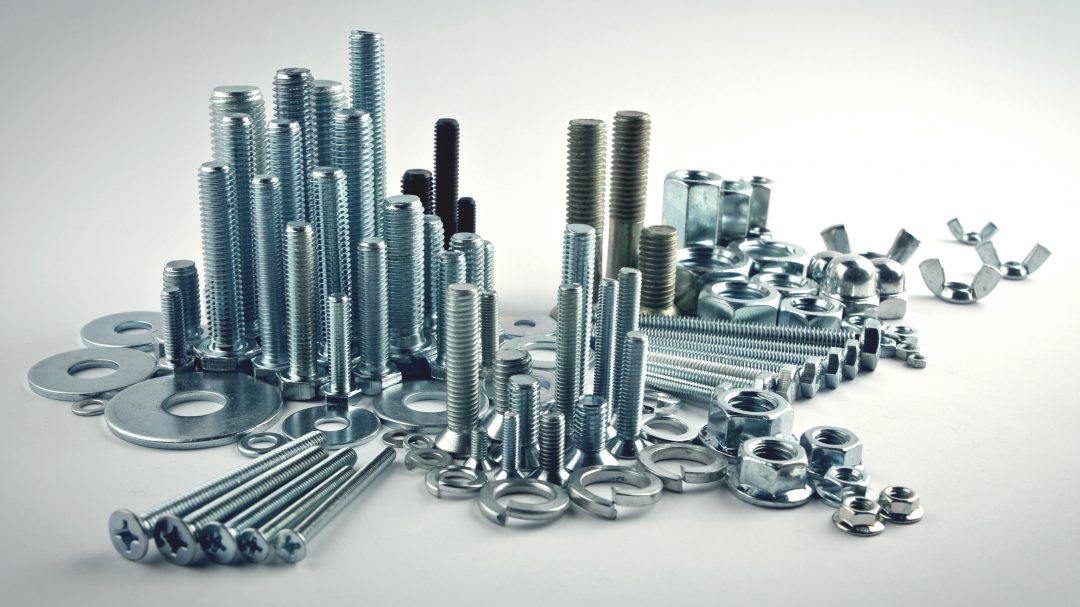
  1. Fasteners

fastener 4140 steel

2. Shafts

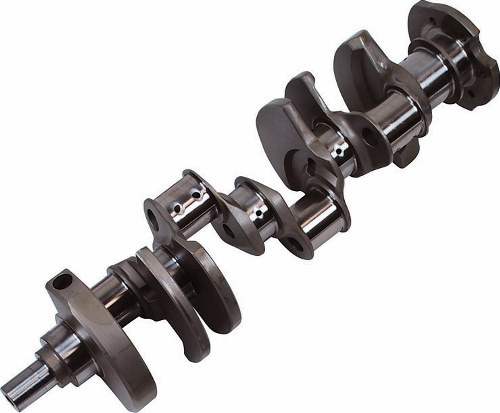
3. Crankshaft

4140 steel crankshaft

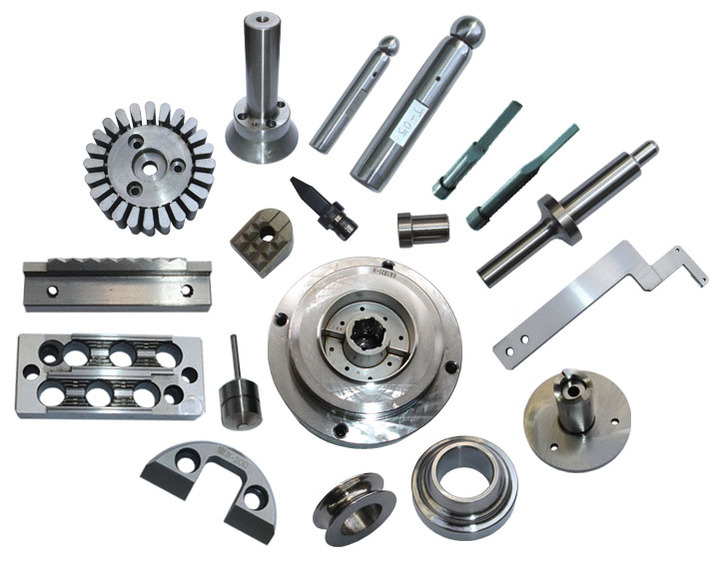
4. Machinery Parts

machinery parts 4140 steel

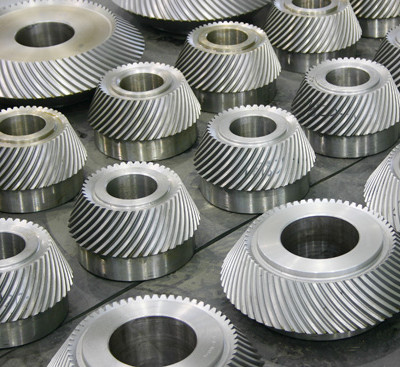
5. Gears

4140 steel gears

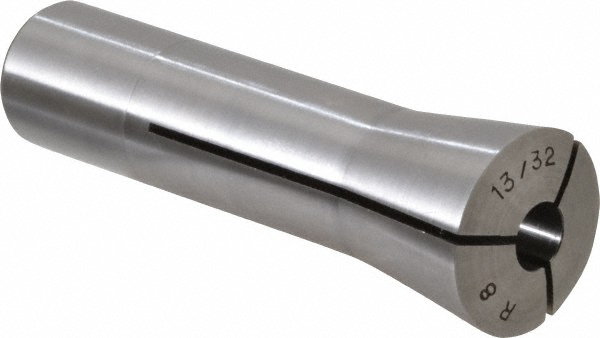
6. Steel Collets

steel collets of sae 4140 steel

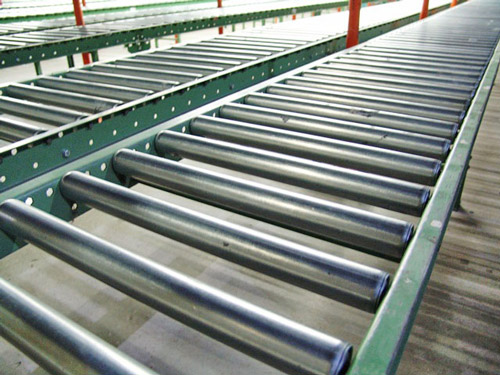
7. Conveyors and Rolls

sae 4140 steel conveyors rolls

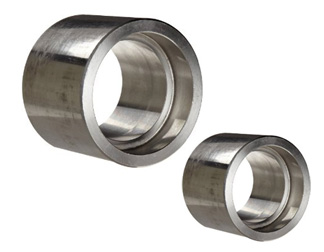
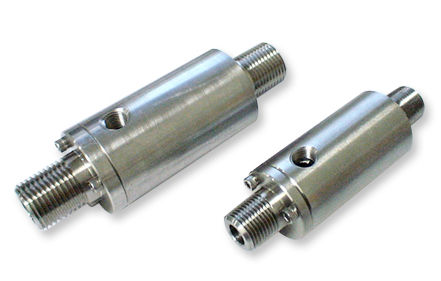
8. Steel Couplings

sae 4140 steel couplings

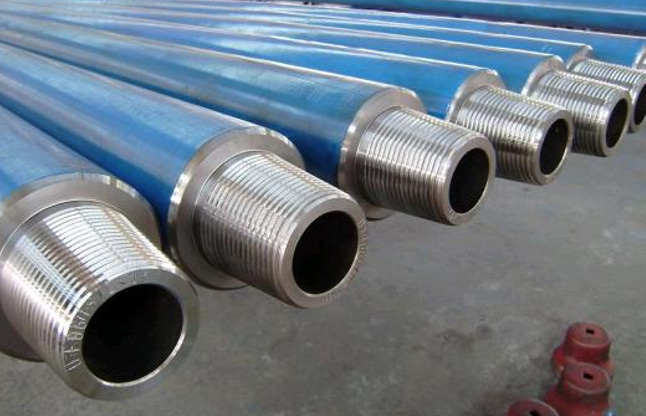
9. Drill Collars

aisi 4140 steel drill collar


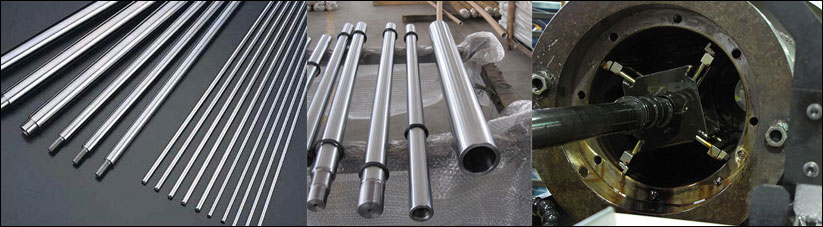
10. Steel Piston Rods

4140 steel piston rods

11. Steel Ejector

4140 steel ejector

12. And many more…

Detailed Breakdown by Industry

  • Automotive Components: In the automotive sector, 42CrMo4 is the material of choice for power transmission parts. It is widely used for crankshafts in heavy trucks and performance vehicles because it resists bending and torsional stress. It is also essential for steering knuckles and axle shafts, where safety and resistance to sudden impact loads are critical.

  • Heavy Engineering & Machinery: For industrial equipment, this grade is used to manufacture conveyor rollers, logging tools, and pinion gears. Its ability to be induction hardened (achieving surface hardness of 55+ HRC) while maintaining a tough core makes it ideal for parts that face high surface wear but must not snap under load.

  • Oil & Gas Exploration: The material is extensively used for drill collars and high-pressure valves. Deep-hole drilling operations require materials that maintain mechanical integrity under high pressure and corrosive conditions; 42CrMo4 provides the necessary depth of hardenability to ensure the component is strong throughout its entire cross-section, not just the surface.

  • Fasteners & Fixings: It is a primary raw material for manufacturing high-tensile studs and anchor bolts used in wind turbines and structural engineering, particularly where temperatures may fluctuate, as 42CrMo4 offers good temper stability.

We use cookies to improve your experience on our site. By using our site you consent to cookies.
 Learn more